How to Plan Gangotri Yamunotri Yatra
Planning a Gangotri Yamunotri Yatra is not just about booking tickets and reaching temples. It’s a journey through narrow mountain roads, unpredictable weather, and high-altitude conditions where small planning mistakes can quickly turn into big problems.
Most people assume this is an “easy Char Dham segment” because both shrines are accessible by road (partly). In reality, the logistics are very different. Yamunotri involves a trek. Gangotri requires long mountain drives. And timing matters more than anything.
This guide is based on real travel flow, Uttarakhand government guidelines, and ground-level experience — so you can plan your yatra smoothly without confusion.
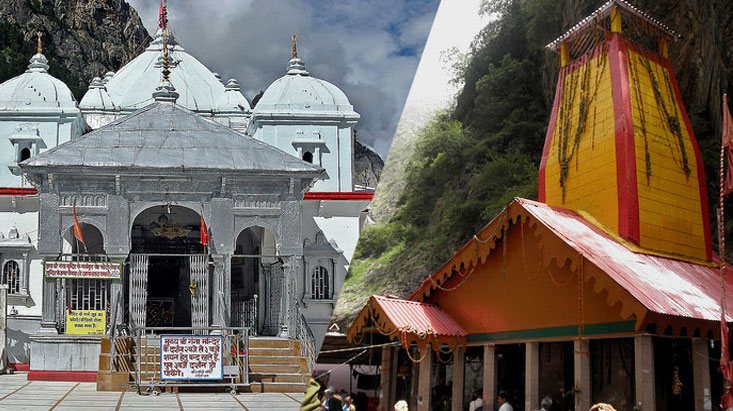
What is Gangotri Yamunotri Yatra?
The Gangotri Yamunotri Yatra covers two sacred shrines in Uttarakhand:
- Yamunotri Temple — source of River Yamuna (trek required)
- Gangotri Temple — origin of River Ganga (road accessible)
Both are part of the Char Dham circuit and usually combined into a single trip.
Pilgrims traditionally visit Yamunotri first, then Gangotri.
Best Time to Plan Gangotri Yamunotri Yatra
The temples open around April/May (Akshaya Tritiya) and close around October/November (Diwali).
From practical experience:
- May to June: Good weather, heavy crowd
- July to August: High risk due to landslides
- September to October: Best balance (clear weather + fewer people)
According to the India Meteorological Department, Uttarakhand receives intense rainfall during monsoon, which often leads to road blockages in Char Dham routes.
👉 If you want a smooth experience, avoid peak monsoon.
Route Overview for Gangotri Yamunotri Yatra
Most journeys begin from Delhi, Haridwar, or Rishikesh.
Standard Route Flow
- Delhi → Haridwar → Rishikesh
- Rishikesh → Barkot (for Yamunotri)
- Barkot → Janki Chatti → Yamunotri trek
- Barkot → Uttarkashi
- Uttarkashi → Gangotri
This sequence reduces travel stress and follows the traditional pilgrimage order.
Complete Day-wise Itinerary (Practical & Tested)
Day 1: Delhi to Barkot
Start early from Delhi and reach Barkot via Rishikesh.
- Distance: ~400 km
- Time: 10–12 hours
Stay overnight in Barkot.
Day 2: Yamunotri Darshan
Drive to Janki Chatti, then trek to Yamunotri.
- Trek distance: 5–6 km one way
- Options: walk, pony, palki
Visit temple and return to Barkot.
Day 3: Barkot to Uttarkashi
- Distance: ~100 km
- Time: 4–5 hours
Stay in Uttarkashi
Day 4: Gangotri Darshan
Drive to Gangotri and return to Uttarkashi.
- Distance: ~100 km (one side)
- Time: 4–5 hours
Day 5: Return Journey
Uttarkashi → Rishikesh / Haridwar → Delhi
Trek Details for Yamunotri (Important)
The trek starts from Janki Chatti.
Key Facts
- Distance: 5–6 km (one way)
- Elevation: ~3,293 meters
- Difficulty: Moderate
Options Available
- Walking (free)
- Pony (₹800–₹1,500 approx)
- Palki (₹3,000–₹5,000 approx)
💡 Real tip: Start trek early morning (5–6 AM) to avoid crowd and heat.
Travel Cost for Gangotri Yamunotri Yatra
Cost varies based on travel style.
Budget Travelers
- Public transport + shared taxis
- Basic hotels
- Approx cost: ₹6,000–₹10,000
Mid-range Travelers
- Private taxi + decent hotels
- Approx cost: ₹12,000–₹20,000
Premium Travelers
- SUV + comfortable stays
- Approx cost: ₹25,000+
Peak season increases prices significantly.
Registration Process (Mandatory)
You must register for the yatra.
As per Uttarakhand Tourism Development Board:
- Biometric registration is compulsory
- Available online and offline
- Required for both Gangotri and Yamunotri
Without registration, entry may be restricted.
Road Conditions & Ground Reality
This is where most guides don’t give clarity.
Yamunotri Route
- Narrow roads after Barkot
- Traffic congestion during peak season
Gangotri Route
- Better roads till Uttarkashi
- After that: steep, narrow, landslide-prone areas
Common Challenges
- Sudden weather changes
- Roadblocks due to landslides
- Limited fuel stations
Practical Safety Tips
- Avoid night driving in hills
- Keep fuel tank full at Uttarkashi
- Carry cash (ATMs limited)
- Pack medicines and warm clothes
- Check weather before departure
These are not “optional tips” — they are essential for this route.
Where to Stay (Best Locations)
- Barkot — best for Yamunotri
- Uttarkashi — best for Gangotri
- Rishikesh — ideal for break journey
Avoid staying in Gangotri unless necessary — options are limited.
Food & Facilities
Food is simple and vegetarian.
- Dal, roti, sabzi
- Rice meals
- Tea, snacks, Maggi
Luxury options are not available in upper regions.
Common Mistakes to Avoid
- Trying to complete yatra in 2–3 days
- Ignoring weather warnings
- Traveling in monsoon
- Not booking hotels in advance
- Starting trek late in the day
These mistakes often lead to delays and discomfort.
Key Takeaways
- Plan at least 4–5 days
- Visit Yamunotri before Gangotri
- Avoid monsoon months
- Registration is mandatory
- Choose reliable transport
FAQs — Gangotri Yamunotri Yatra
1. How many days are required for this yatra?
Minimum 4–5 days for a comfortable trip.
2. Which temple should be visited first?
Yamunotri, followed by Gangotri.
3. Is trekking compulsory?
Yes, for Yamunotri (5–6 km).
4. Is registration required?
Yes, mandatory for all pilgrims.
5. What is the best time to visit?
May–June and September–October.
6. Is it safe for senior citizens?
Yes, but they should use pony or palki for Yamunotri.
7. Are roads safe?
Mostly yes, but require careful driving.
8. Is mobile network available?
Limited in higher regions.
9. Can I do this yatra by bus?
Yes, but requires multiple transfers.
10. What is the biggest risk during the trip?
Weather and landslides during monsoon.


Comments
Post a Comment